The History of Fitness: How Ancient Civilizations Approached Physical Training

The History of Fitness: How Ancient Civilizations Approached Physical Training
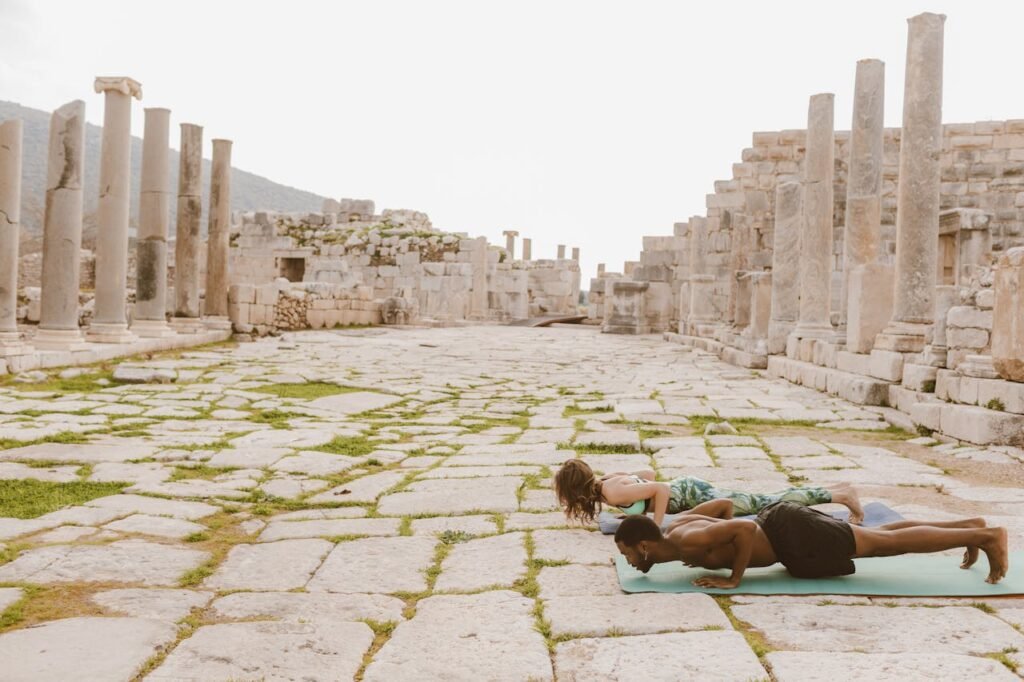
Impact-Site-Verification: 99150a54-d57f-45b2-a5d9-61b56d1fa3bc When we consider fitness today, we’re often presented images of gyms, weights, and other technologically-defined workouts. But centuries before treadmills and dumbbells, ancient cultures across the globe recognized the importance of physical preparation. For them, fitness was more than a look–it was about survival, community or culture, spirituality, and warfare. Ancient Greece: Where […]

World War Two: The Global Conflict That Changed History
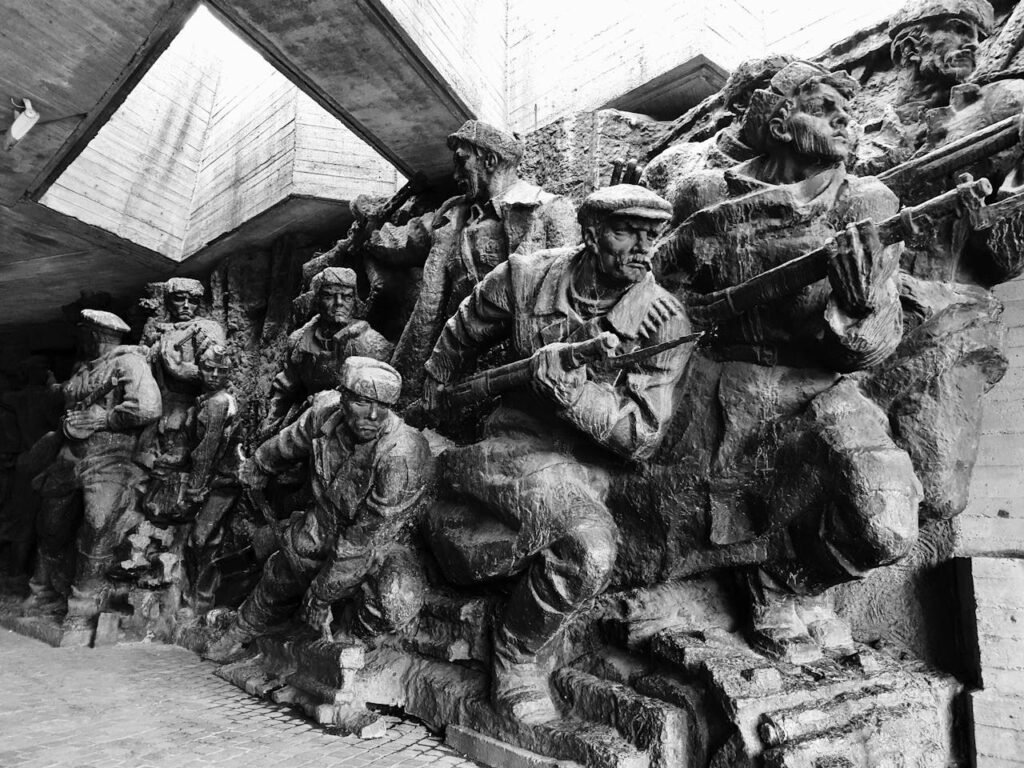
World War Two (WWII) was the largest and deadliest war in human history, lasting from 1939 to 1945. It involved more than 100 million people from over 30 countries. Unlike World War One, which was mostly fought in Europe, WWII was truly global, with battles in Europe, Africa, Asia, and the Pacific. The war reshaped international politics, gave rise to new superpowers, and changed the course of the 20th century. Causes of World War Two Several key factors led to the outbreak of WWII: Treaty of Versailles (1919) – After WWI, Germany was punished with harsh reparations, territorial losses, and military restrictions. This created resentment and economic hardship. Rise of Dictators – Leaders like Adolf Hitler in Germany, Benito Mussolini in Italy, and militarists in Japan promised to restore national pride and power. Expansionism – Germany wanted to expand eastward, Italy sought to build a new Roman Empire, and Japan invaded China to dominate Asia. Appeasement – Britain and France allowed Hitler to take land (like Austria and Czechoslovakia) hoping to avoid war, but it only encouraged aggression. The Spark – On September 1, 1939, Germany invaded Poland. Britain and France declared war on Germany, starting WWII. Major Events of the War 1939–1940: Germany used Blitzkrieg (“lightning war”) tactics to conquer Poland, Denmark, Norway, Belgium, and France. 1940: The Battle of Britain – Germany bombed the UK, but the Royal Air Force fought back successfully. 1941: Germany invaded the Soviet Union (Operation Barbarossa). In December, Japan attacked Pearl Harbor, bringing the United States into the war. 1942–1943: Turning points came with the Battle of Stalingrad (Soviet victory over Germany) and the Battle of Midway (US victory over Japan). 1944: The Allies launched D-Day (June 6) in Normandy, France, opening a Western Front against Germany. 1945: Germany surrendered in May after Hitler’s death. In August, the US dropped atomic bombs on Hiroshima and Nagasaki, forcing Japan to surrender. The war officially ended on September 2, 1945. Consequences of WWII Massive Loss of Life – About 70–85 million people died, making it the deadliest conflict in history. The Holocaust – Six million Jews, along with millions of others, were killed in Nazi concentration camps. Fall of Fascism – Nazi Germany, Fascist Italy, and Imperial Japan were defeated. Rise of Superpowers – The United States and the Soviet Union emerged as global superpowers, starting the Cold War. United Nations (UN) – Founded in 1945 to promote peace and prevent future world wars. Decolonization – After the war, many countries in Asia and Africa gained independence. Legacy World War Two reshaped the modern world. It ended fascist regimes, introduced nuclear weapons, and created international organizations to keep peace. The war also left powerful lessons about the dangers of dictatorship, racism, and global conflict.

World War Two (WWII) was the most widespread and costliest war of all time, and lasted from 1939 to 1945 with over 100 million troops from more than 30 countries involved. Unlike World War One which took place primarily in Europe, WWII was fought all around the world in Europe, Africa, Asia and the Pacific. […]

World War One
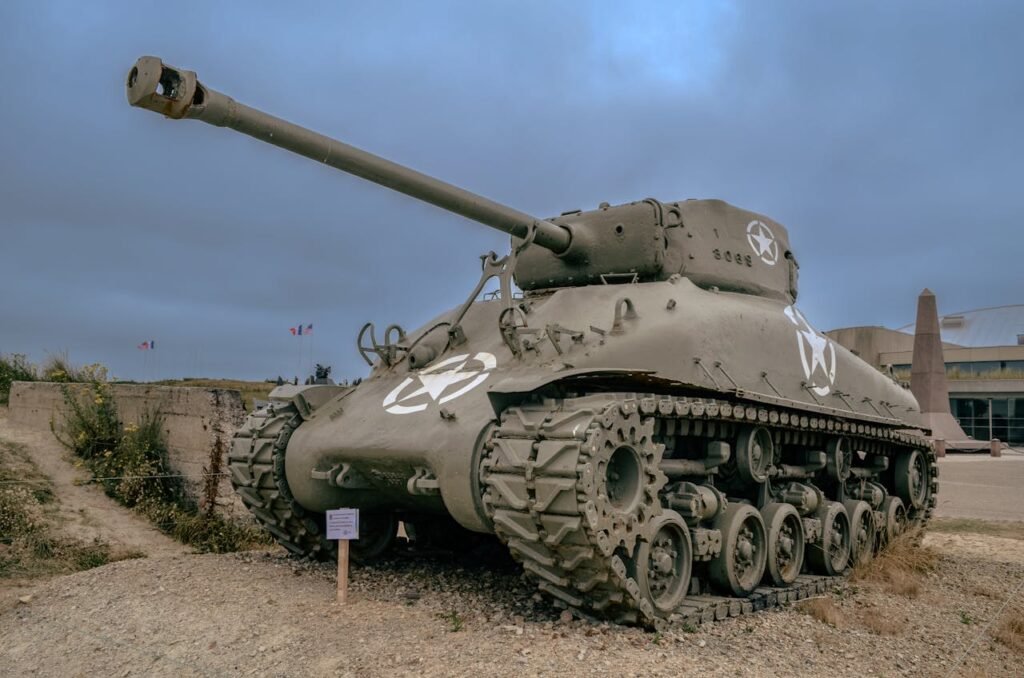
World War One (WWI), also known as the Great War, took place between 1914 and 1918. It was one of the deadliest conflicts in human history, involving countries from across the globe. The war changed political systems, destroyed empires, and reshaped the world in ways that are still felt today. Causes of the War Several factors led to the outbreak of World War One: Nationalism – Countries like Germany, France, and Britain were filled with strong national pride and competition. Imperialism – European powers fought for colonies in Africa and Asia, which created rivalry and tension. Militarism – Nations built up powerful armies and weapons, believing war was a way to show strength. Alliances – Europe was divided into two major alliances: Triple Entente: France, Russia, and Britain. Triple Alliance: Germany, Austria-Hungary, and Italy. The Spark – On June 28, 1914, Archduke Franz Ferdinand of Austria-Hungary was assassinated in Sarajevo. This event triggered a chain reaction, pulling alliances into war. Major Events of the War 1914: Germany invaded Belgium, and Britain entered the war. Fighting began on the Western Front. 1915–1916: Trench warfare dominated Europe, especially in France. Famous battles like Verdun and the Somme caused millions of deaths. 1917: The United States joined the war after German submarine attacks and the famous Zimmermann Telegram. 1918: Germany launched a final offensive but was pushed back by Allied forces. On November 11, 1918, an armistice was signed, ending the war. Consequences of the War Massive Loss of Life – About 20 million people died, including soldiers and civilians. Collapsed Empires – The Ottoman Empire, Austria-Hungary, Germany, and Russia lost their power. New Nations – Countries like Poland, Czechoslovakia, and Yugoslavia were created. Treaty of Versailles (1919) – Germany was blamed for the war, forced to pay reparations, and lost territory. Seeds of World War Two – The harsh peace terms and economic struggles in Germany later contributed to the rise of Adolf Hitler and World War Two. Legacy World War One was called “the war to end all wars,” but sadly, it laid the foundation for future conflicts. It also led to major advances in technology, medicine, and international relations. The war remains a reminder of the cost of human ambition and conflict.

World War One (WWI), also called the Great War, was between 1914 and 1918. WW1 was one of the deadliest wars in history, fighting involved countries not just from Europe but from all over the world. WWI changed political systems, destroyed empires, and changed the world in a number of ways that are still felt […]

The History of Ancient Egypt in Simple Words
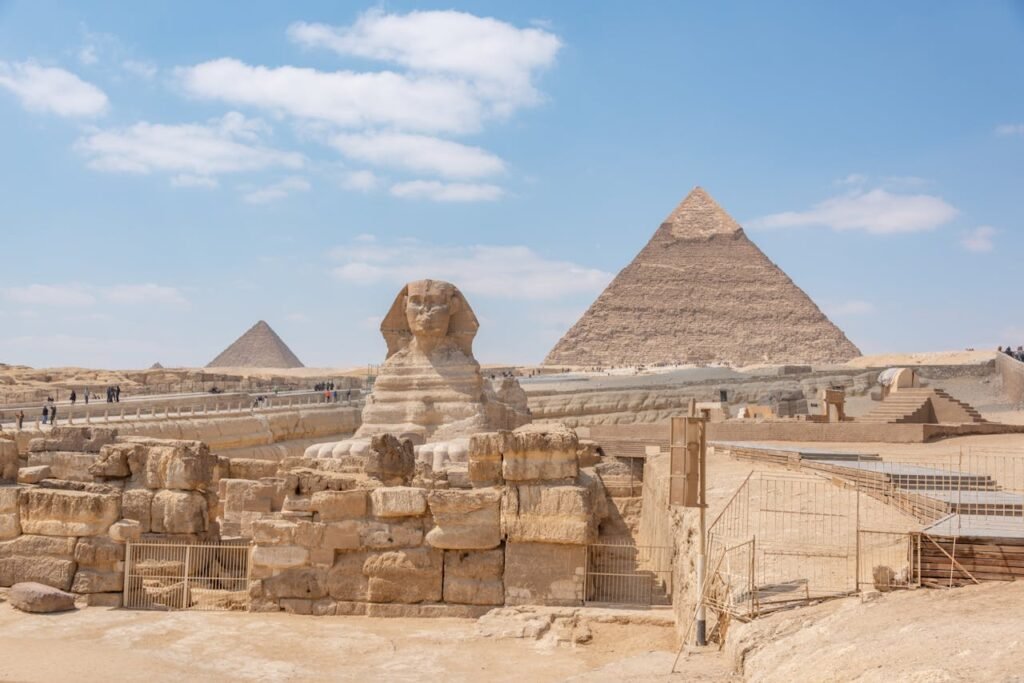
Ancient Egypt is one of the most fascinating civilizations in human history. For thousands of years, people living along the Nile River built great cities, invented amazing things, and left behind monuments that still stand today. From the pyramids to the pharaohs, the story of Ancient Egypt is both rich and inspiring. Let’s explore it in simple words. 1. Life by the Nile The Nile River was the heart of Ancient Egypt. Each year, it flooded and left behind rich soil that made farming possible. Because of the Nile, Egyptians grew wheat, barley, fruits, and vegetables, which gave them food and stability. This allowed their society to grow strong. 2. The Pharaohs: Kings and Queens of Egypt Egypt was ruled by pharaohs, who were seen not only as kings and queens but also as gods on Earth. They made laws, led armies, and built temples. Some of the most famous pharaohs include: Tutankhamun (King Tut) – known for his golden tomb. Ramses II – a warrior king who built many monuments. Cleopatra VII – the last pharaoh, famous for her beauty and intelligence. 3. The Pyramids and Temples The pyramids are perhaps the most famous symbols of Ancient Egypt. The Great Pyramid of Giza, built for Pharaoh Khufu, is one of the Seven Wonders of the Ancient World. Egyptians also built huge temples to honor their gods, like the temples at Luxor and Karnak. These structures show how advanced their knowledge of math, engineering, and design was. 4. Religion and Beliefs Religion was very important in Ancient Egypt. Egyptians believed in many gods and goddesses, such as: Ra – the sun god. Osiris – god of the afterlife. Isis – goddess of magic and motherhood. They believed in life after death, which is why they practiced mummification to preserve the body for the journey to the afterlife. Tombs were filled with treasures, food, and objects that people might need in the next world. 5. Writing and Knowledge The Egyptians invented one of the world’s first writing systems, called hieroglyphics. They wrote on stone walls and papyrus (a type of paper made from plants). This helped them record history, laws, and religious texts. They were also skilled in medicine, astronomy, and mathematics. For example, they used geometry to design pyramids and understood basic surgery and healing methods. 6. Daily Life in Ancient Egypt Most Egyptians were farmers, craftsmen, or traders. Families lived in simple houses made of mud bricks. They wore light linen clothes because of the hot weather. Music, festivals, and games were also a big part of their culture. 7. The Decline of Ancient Egypt Over time, Egypt was invaded by outsiders, such as the Assyrians, Persians, Greeks, and later the Romans. By 30 BCE, after the death of Cleopatra, Egypt became part of the Roman Empire, marking the end of the pharaohs. Final Thoughts Ancient Egypt lasted for more than 3,000 years, making it one of the longest-lasting civilizations in history. Its achievements in architecture, writing, art, and religion continue to amaze the world today. Even after thousands of years, the pyramids, temples, and stories of pharaohs remind us of a people who dreamed big and left behind a timeless legacy.

Ancient Egypt is one of the most engaging civilizations in the history of mankind. For thousands of years, people living along the Nile traded, built great cities, invented marvelous creations, and built monuments that still exist today. From the pyramids to the pharaohs, the tale of Ancient Egypt is not only lengthy, but also inspiring. […]